Rotary kiln burning zone, transition and safety zones — chrome-free magnesia-spinel and direct-bonded linings for cement and lime producers.
The burning zone of a cement or lime rotary kiln is one of the most aggressive environments in industrial refractories — thermomechanical fatigue from continuous rotation, chemical attack from clinker and sulphur compounds, and peak temperatures above 1,400 °C. A lining failure here means unplanned downtime and lost production.
KONREF supplies chrome-free magnesia-spinel and direct-bonded magnesia-chrome alternatives matched to different kiln conditions. Our R&D team has developed specific grades for kilns running alternative fuels — where higher alkali and chloride ingress demand a different chemistry.
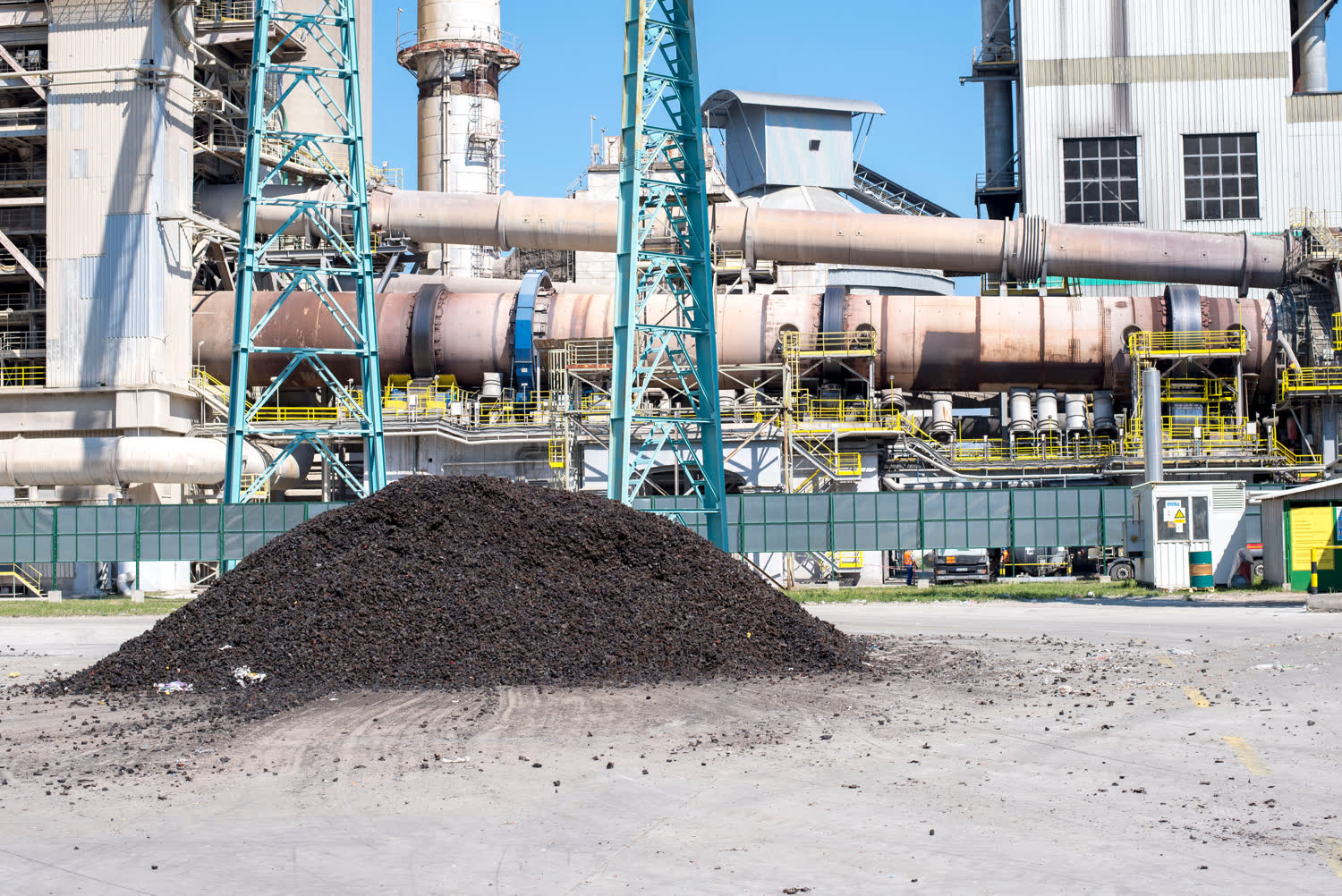
Magnesia-spinel bricks offering high thermal shock resistance and flexibility — the first choice for chrome-free kiln linings at peak temperature.
Direct-bonded and chrome-free grades covering the upper and lower transition zones, where thermomechanical load and clinker coating are most variable.
High-alumina and magnesia brick grades for the cooler-end safety zone and kiln inlet, selected for abrasion resistance and thermal stability.
Magnesia-based linings for the burning and reaction zones of lime kilns, resistant to reactive lime and thermal shock from the calcination cycle.
Grades engineered for higher alkali and chloride ingress typical of kilns running waste-derived fuels, tyres or biomass.
Gunning mixes and castables for hot and cold repairs in kiln inlet seals, cooler hoods and preheater cyclones.
Chrome-containing refractories produce hazardous Cr(VI) waste and face increasing regulatory restrictions in the EU and several other markets. KONREF's magnesia-spinel range is chrome-free as standard — designed to match or exceed the lining life of traditional magnesia-chrome products in most cement and lime kiln applications.
Submit kiln dimensions, fuel mix and current lining performance data for a zone-by-zone specification from our engineering department.