Direct-bonded and magnesia-chrome linings for copper, aluminium, zinc and lead smelting — from converter to anode furnace.
Non-ferrous smelting presents some of the most chemically aggressive conditions in industrial refractories. Copper mattes, fayalitic slags, molten aluminium and zinc fumes each attack lining chemistry in distinct ways. Temperature cycling, oxidising and reducing atmosphere shifts, and mechanical abrasion add further stress.
KONREF's direct-bonded magnesia-chrome and co-clinker grades have been developed specifically for these environments — combining the chemical resistance of chromite spinel with the mechanical strength and thermal shock resistance demanded in converter and smelting furnace applications.
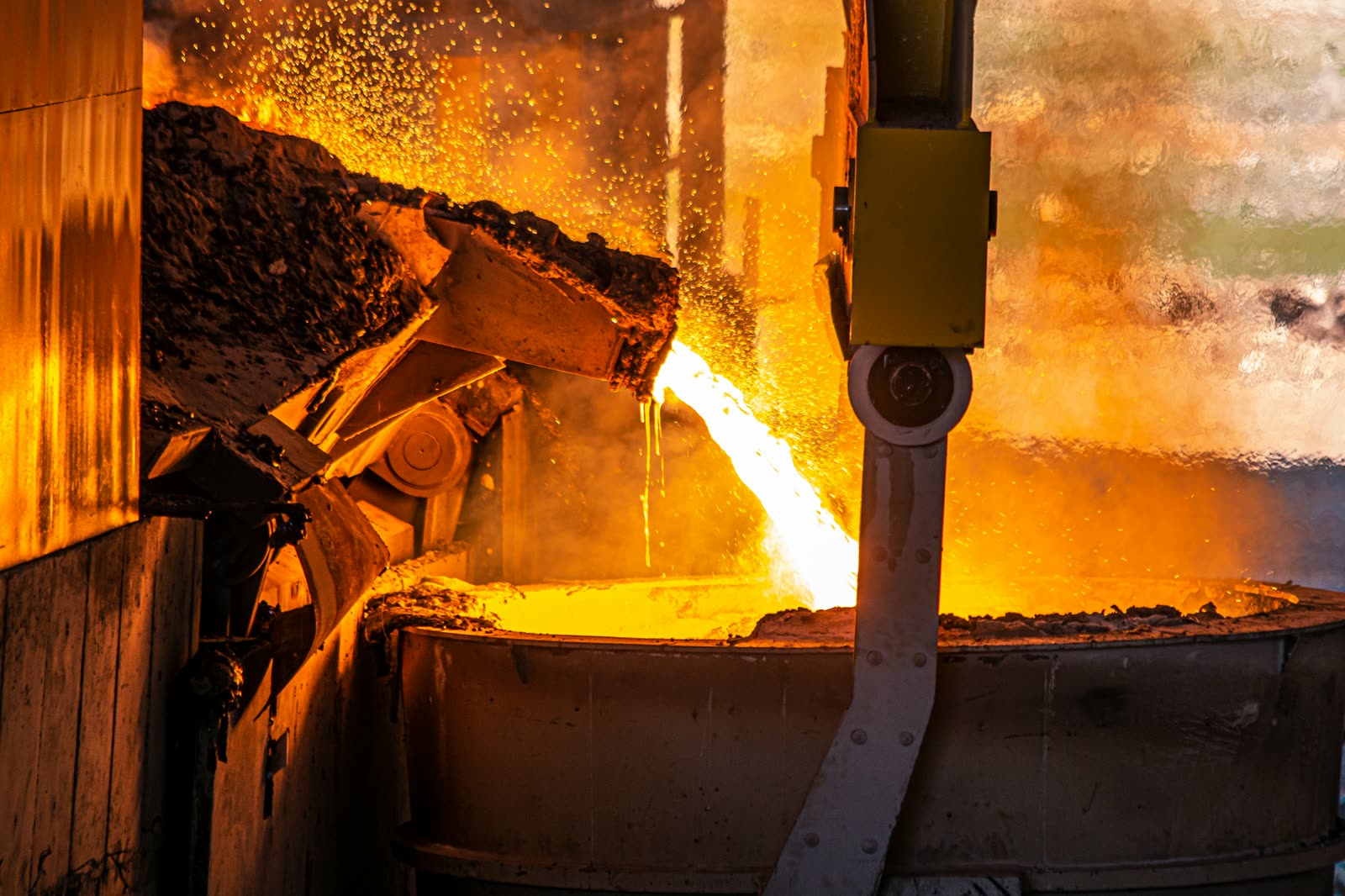
Direct-bonded magnesia-chrome bricks for Peirce-Smith and flash converters — high resistance to copper matte and slag penetration.
Magnesia-chrome bricks for anode furnace barrels and end walls — stable under oxidising and reducing atmosphere cycles.
Magnesia and magnesia-chrome linings for reverberatory smelting furnace hearths, sidewalls and roof areas.
Magnesia-based linings and castables resistant to molten aluminium and aluminium fluoride attack in holding and melting furnaces.
Basic refractory grades for zinc retort and lead smelting furnace applications, selected for resistance to zinc fume and lead oxide penetration.
Monolithic linings and gunning mixes for repair and maintenance of non-ferrous smelting vessels — matched to the specific slag chemistry.
The non-ferrous industry increasingly faces scrutiny over supply chain transparency — particularly for chromite-containing refractories, where sourcing geography and environmental practice matter to downstream buyers.
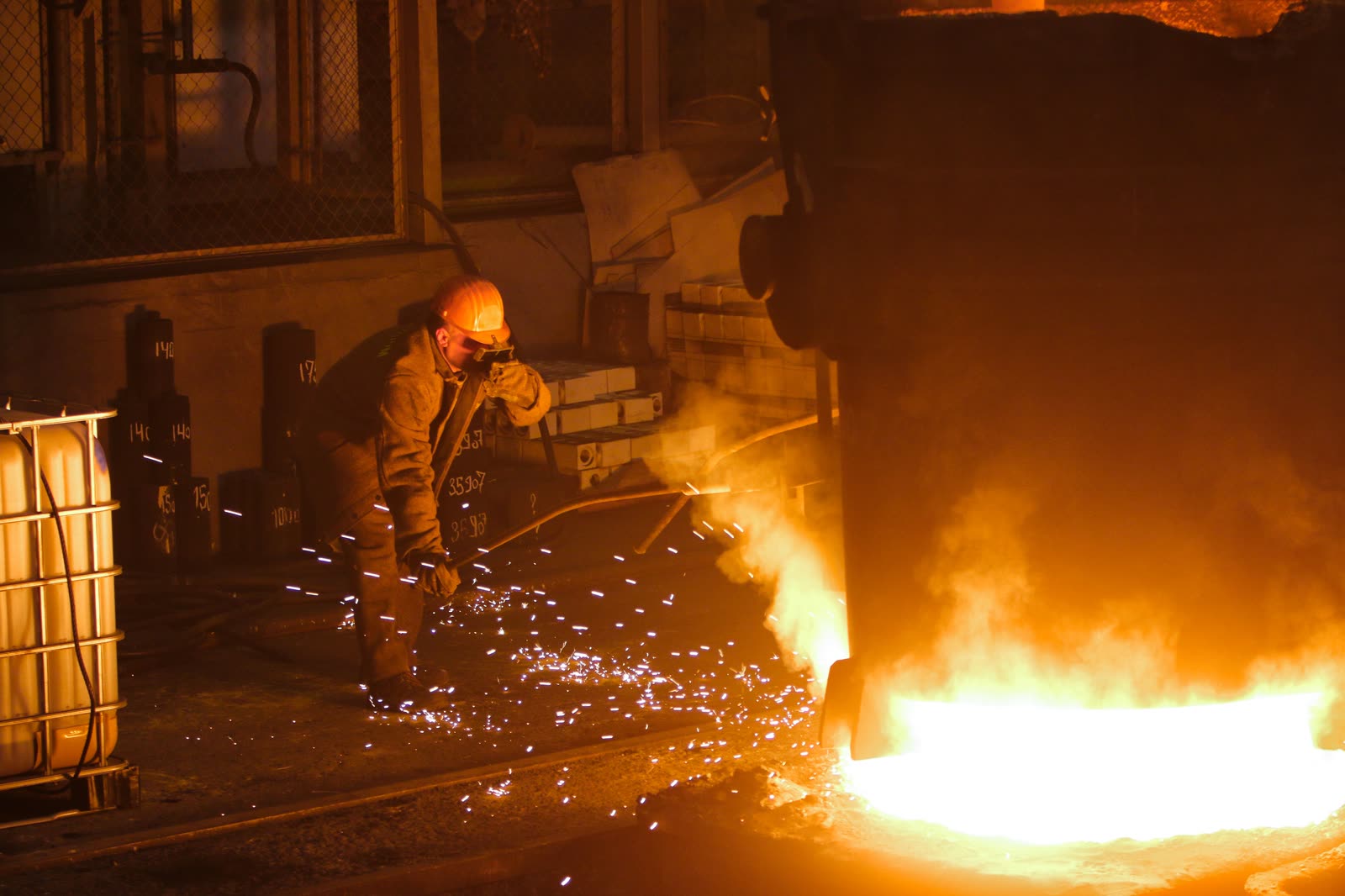
Submit smelting process details and furnace specifications for a lining proposal from our engineering department. On-site wear assessments are available for major accounts.