Chrome-free basic refractories for municipal and industrial waste incineration — chemically resistant to the most complex combustion chemistries.
Waste incineration refractories face conditions that are difficult to predict and change from one waste batch to the next. Heavy metals, chlorine, sulphur, alkaline compounds, phosphates — all can attack a conventional acid or neutral refractory. Basic magnesia-based refractories offer a fundamentally different chemistry that resists this variable attack.
KONREF supplies chrome-free magnesia brick and castable grades that combine chemical resistance with the thermal shock performance needed in grate-fired and rotary kiln incinerators — where frequent temperature swings from waste feed variations are unavoidable.
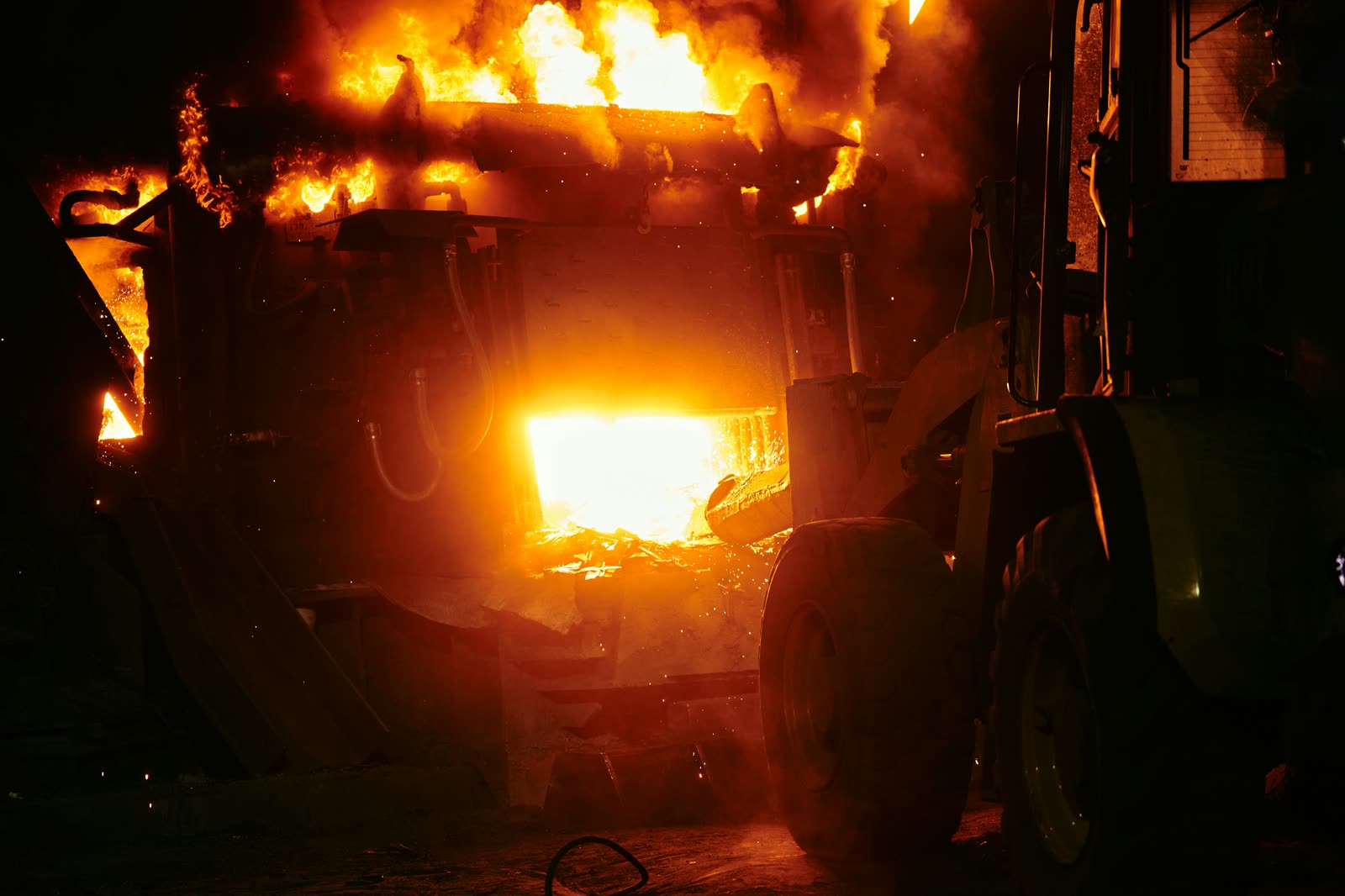
Magnesia bricks and castables for MSW combustion chamber walls, post-combustion zones and cyclone chambers — resistant to HCl and alkali-heavy ash.
High-density magnesia linings for high-temperature hazardous and clinical waste incinerators, where temperatures and chemical aggressivity are at their peak.
Magnesia-chrome and chrome-free alternatives for rotary kiln primary chambers — selected for resistance to molten salt and slag infiltration under rotation.
Basic refractory linings for the combustion and burnout zones of grate-fired incinerators, where temperature cycling from waste feed is most pronounced.
Dense magnesia bricks and castables for slag collection zones — resistant to heavy-metal-bearing molten slag corrosion.
Gunning and repair castables for planned maintenance and unplanned patch repairs — formulated to bond with existing magnesia linings.
In waste incineration, the spent refractory lining itself becomes regulated waste — and the classification (hazardous vs. non-hazardous) is determined partly by chromium content. Chrome-free magnesia-spinel grades avoid the Cr(VI) hazardous classification, reducing disposal cost and regulatory burden at reline.
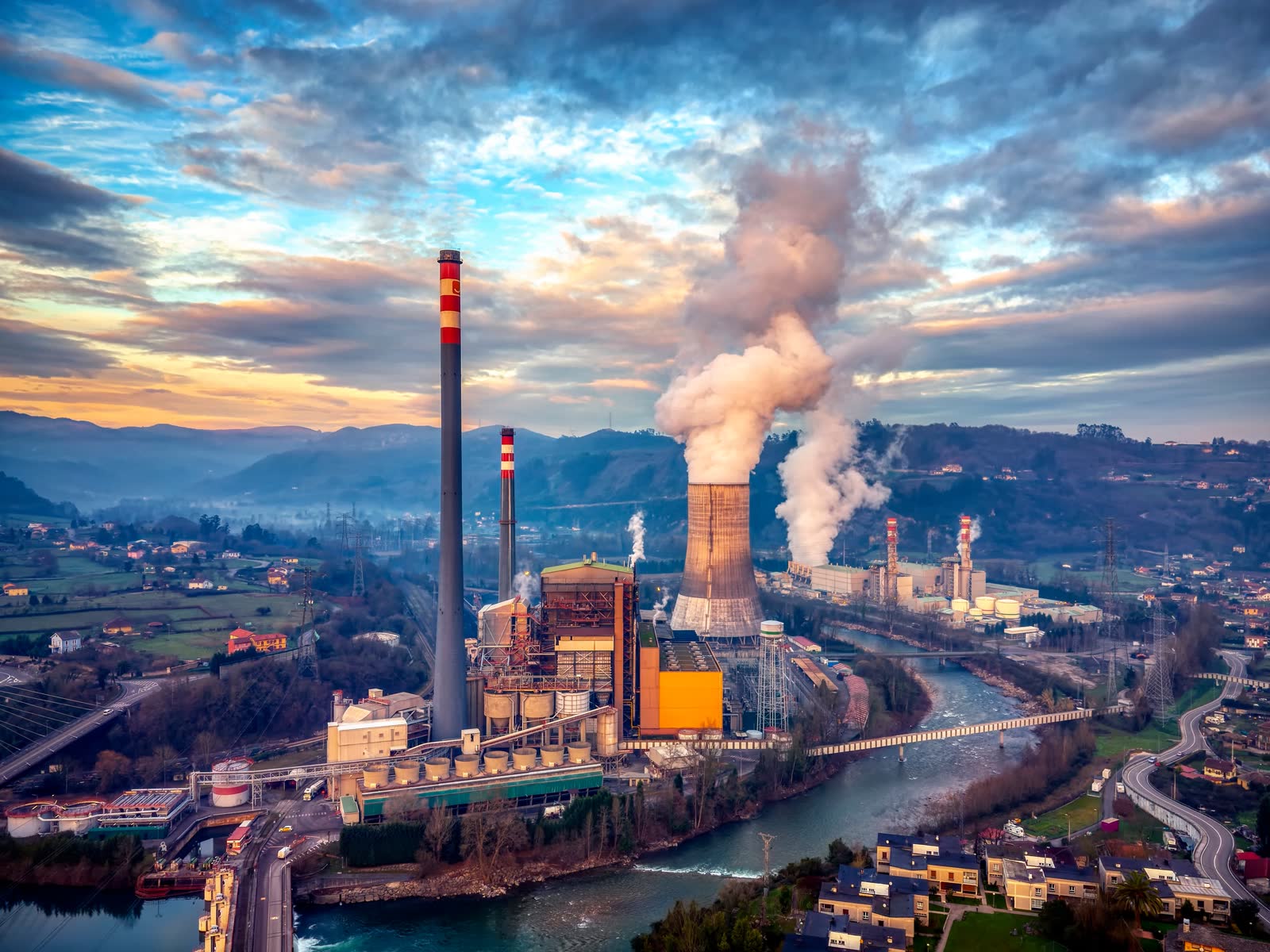
Submit incinerator type, waste feed chemistry and current lining performance data for a grade specification from our engineering department.